Sunwise
June 27, 2025
Alternative
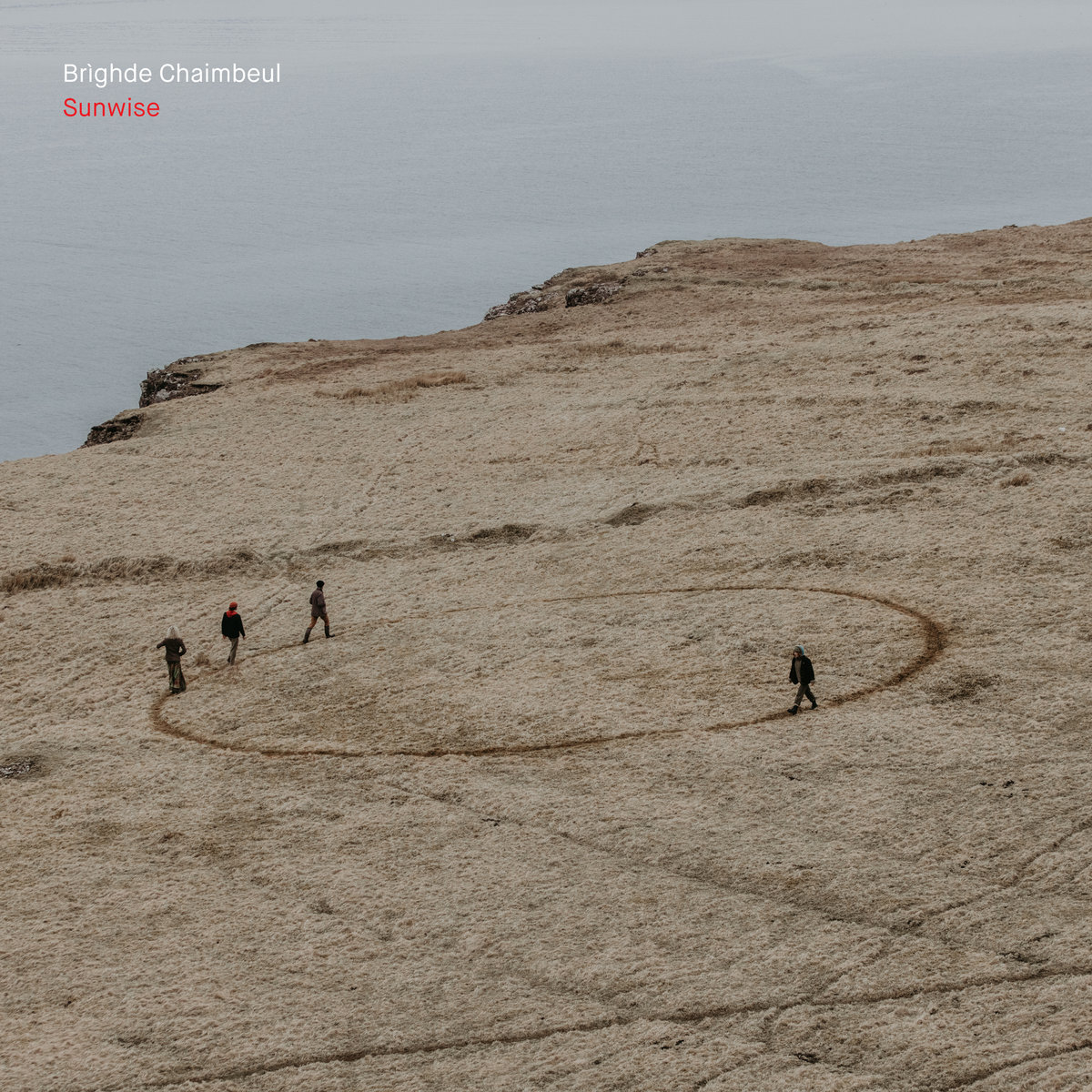
Brìghde Chaimbeul's third album immerses itself in winter - the closing in of darkness, the pull to turn inward, and the customs of the season: songs and stories told round the fire, where the boundaries between reality and imagination blur. Sunwise is more a solo record than its predecessor Carry Them With Us (tak:til/Glitterbeat, 2023), which saw her collaborate extensively with Colin Stetson. After two years of performing live alone - from Big Ears in Tennessee to Le Guess Who? in the Netherlands to Supersonic in Birmingham, where she reduced a hungover festival crowd to rapt silence - Chaimbeul's solo instincts shaped the recording. Most collaborators came on after she had recorded her parts. She explains that she's learned a great deal about capturing her instrument: "A lot of it is about tone, and the depth and richness of that tone, paying attention to detail - what mics you're using, and how to get the best sound possible." Three tracks are Chaimbeul's own compositions. A Chailleach, featuring Stetson's return and Chaimbeul's sparingly used voice, evokes the Celtic folkloric figure Cailleach Bheurr - "her waking up, roaming the moors with her walking stick, making sure she was getting rid of any greenery that was growing through and keeping that sharp frost in the air." Duan features a spoken word contribution from her father Aonghas Phàdraig Chaimbeul, reciting a rhyme with druidical origins tied to Hogmanay folklore - part of the oidhche challain, a procession that went three times sunwise round each house in the village, preceded by a piper. "My dad remembers it from his childhood. He grew up in South Uist in the 50s." Sguabag/The Sweeper was recorded live with three other pipers. The remaining tracks are traditional, arranged by Chaimbeul and drawn primarily from field recordings at the School of Scottish Studies in Edinburgh. The closing track, The Rain is Wine & The Stones Are Cheese, features her brother Eòsaph's voice joining hers to mark the longest night of the year, delivered in the style of canntaireachd - a traditional means of vocalising bagpipe music. "It's a music and language that has survived so much and for so long - it's the music of people. It's music of the land. And I think it's extremely relevant to hold on to that and learn from that in current times."